
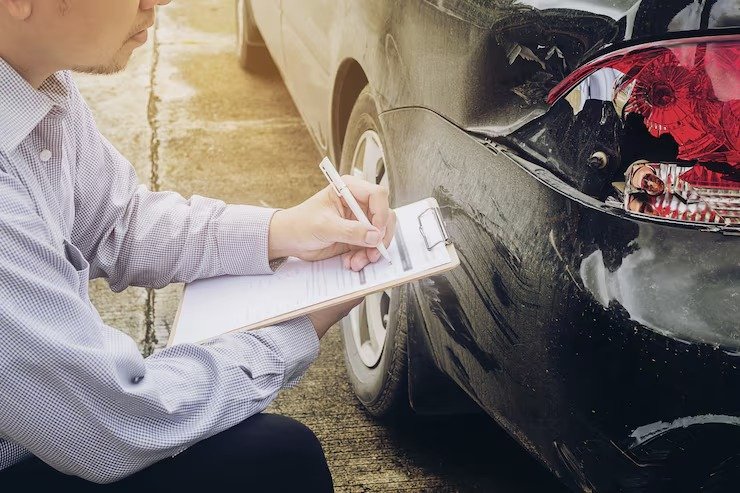
Nobody plans for the moment they need to file a car insurance claim. It happens fast, usually when you are already shaken up, and suddenly you are standing on the side of a road trying to remember what you are supposed to do next.
Having been through the claims process personally twice, and having helped family members navigate it several more times, the thing that stands out most is how different the experience is between people who knew the process going in and people who were figuring it out in real time. The ones who knew what to do got faster resolutions, better settlements, and significantly less stress. The ones who were improvising made avoidable mistakes that cost them time and money.
This guide walks through every step of the car insurance claims process in 2026, from what you should do at the accident scene before you even call your insurer to what happens when you disagree with the settlement offer. It covers collision claims, comprehensive claims, and claims against another driver’s liability policy, because the process is different depending on which type of claim you are filing.
Understanding the Types of Car Insurance Claims
Before walking through the steps, it helps to understand which type of claim you are filing, because the process, the coverage that applies, and the party you file with differs significantly between claim types.
Collision Claims
A collision claim covers damage to your vehicle resulting from a collision with another vehicle or object, regardless of who caused the accident. You file this claim with your own insurer under your collision coverage. You pay your deductible and your insurer covers the remaining repair cost up to the vehicle’s actual cash value.
Filing a collision claim with your own insurer is often faster than pursuing the at-fault driver’s liability insurer, even if the other driver was at fault. Your insurer then pursues the at-fault driver’s insurer through a process called subrogation to recover the money they paid on your behalf.
Comprehensive Claims
Comprehensive coverage handles non-collision events including theft, vandalism, fire, flood, hail, falling objects, and animal strikes. These claims are typically more straightforward because fault is not a question. You file with your own insurer, pay your comprehensive deductible, and the insurer handles the loss.
Liability Claims Against Another Driver
If another driver caused the accident and you are seeking compensation for your vehicle damage and injuries from their insurance, you are filing a third-party liability claim against their policy. This process involves dealing with their insurer rather than your own and typically takes longer because the at-fault driver’s insurer has less incentive to resolve your claim quickly.
Uninsured or Underinsured Motorist Claims
If the at-fault driver has no insurance or insufficient insurance to cover your damages, you file an uninsured or underinsured motorist claim with your own insurer. This process is similar to a first-party claim but sometimes involves more negotiation.
Step 1: Prioritize Safety at the Scene Before Anything Else
This sounds obvious but it deserves clear emphasis: your physical safety and the safety of everyone involved takes priority over every documentation and reporting step that follows.
What to Do Immediately After an Accident
Move to safety if possible. If the vehicles are drivable and the accident is a minor fender bender, move vehicles to the shoulder or a parking lot to clear the roadway. If vehicles are not safely movable, turn on hazard lights and move yourself and passengers away from traffic.
Call 911 if there are injuries. Any accident involving injury requires emergency services. Even if injuries seem minor at the scene, adrenaline masks pain and some injuries including whiplash and internal trauma do not present symptoms immediately. When in doubt, call for medical assistance.
Do not leave the scene. Leaving the scene of an accident before exchanging information is a hit-and-run, which carries serious legal consequences regardless of fault.
Check on the other parties. Without admitting any fault or making any statements about the accident, check whether other drivers and passengers are okay.
Step 2: Document Everything at the Scene
This is the step that most people do inadequately and later regret. The documentation you collect at the scene is the foundation of your claim. Poor documentation leads to disputes, delays, and lower settlements.
Information to Collect From the Other Driver
- Full legal name and date of birth
- Current address
- Phone number
- Driver’s license number and state
- Insurance company name, policy number, and claims phone number
- License plate number
- Vehicle make, model, year, and color
- VIN if accessible (visible through windshield on dashboard)
Information to Collect From Witnesses
Any witness who observed the accident can provide valuable corroboration of your account. Collect full name and phone number from any willing witness. Do not pressure witnesses, but politely ask if they would be willing to provide their information in case the insurer needs to contact them.
What to Photograph
Use your phone camera extensively. Photograph everything before vehicles are moved if safety allows.
- All vehicles involved from multiple angles including front, rear, both sides
- Close-up photos of all visible damage on every vehicle
- The overall accident scene including road conditions, traffic signals or signs, skid marks, and debris
- The license plates of all vehicles involved
- The other driver’s insurance card and driver’s license
- Any relevant environmental factors such as wet roads, sun glare, obstructions
- Your own injuries if visible
Take more photos than you think you need. It is impossible to return to the scene later and capture what was there in the immediate aftermath.
What Not to Say at the Scene
This is one of the most consequential points in this entire guide. What you say at the accident scene can be used against you in a claim dispute or lawsuit.
Do not say “I’m sorry” or “I apologize.” Even a reflexive apology can be interpreted as an admission of fault.
Do not say “I’m fine.” You may not know the extent of your injuries yet. Any statement that you are uninjured can be used to argue against later injury claims.
Do not discuss the accident in detail with the other driver. Exchange required information only. Save your account of events for the police and your insurer.
Do not speculate about what happened. Do not make statements like “I didn’t see you” or “I must have drifted” that suggest fault.
Step 3: File a Police Report
Whether the police respond to the scene or you visit the station afterward, having an official police report documenting the accident is valuable and sometimes required.
When Police Response Is Required
In most states, police must be called when the accident involves injuries, fatalities, or property damage above a specified threshold (typically $500 to $1,500 depending on the state).
Even for minor accidents where police response is not legally required, filing a police report is strongly recommended. The report provides an independent third-party record of the accident that insurers take seriously.
How to File a Police Report After the Fact
If officers did not respond to the scene and the accident occurred in a jurisdiction where you can file after the fact, visit your local police precinct or file online if the department offers that option. Most departments allow filing within 10 days of the accident.
What to Tell the Police
Stick to observable facts: where the accident occurred, what direction you were traveling, what you observed immediately before impact. You are not required to speculate about fault or provide an interpretation of events. Answer questions factually and concisely.
Step 4: Notify Your Insurance Company Promptly
Most insurance policies require prompt notification of any accident, even if you are not filing a claim. Delayed reporting can complicate or in extreme cases jeopardize your coverage.
When to Call Your Insurer
Call your insurer as soon as you are safely away from the accident scene, typically within 24 hours of the incident. Do not wait days or weeks hoping the situation resolves itself. Even if you are not sure you will file a claim, reporting the accident preserves your options.
What Information Your Insurer Will Ask For
Have the following ready when you call:
- Your policy number
- Date, time, and location of the accident
- Description of what happened
- Names, contact information, and insurance information of all other parties
- Names and contact information of any witnesses
- Police report number if available
- Description of visible damage to your vehicle
- Any injuries reported at the scene
First-Party vs Third-Party Claims
Decide which claim route you want to pursue before calling:
File with your own insurer (first-party): Faster resolution in most cases because your insurer has an obligation to serve you. You pay your deductible. Your insurer may pursue subrogation against the at-fault driver’s insurer to recover costs.
File with the at-fault driver’s insurer (third-party): No deductible if the other driver is clearly at fault. Slower process because the other insurer’s interest is in minimizing the payout. Better option when fault is clear and you can afford to wait for resolution.
Many experienced claims advisors recommend filing with your own insurer first for faster resolution and then allowing subrogation to recover your deductible if the other driver was at fault.
Step 5: Understand the Claims Investigation Process
After you report the claim, your insurer assigns a claims adjuster to investigate. Understanding what the adjuster is doing and what their role is helps you navigate this phase productively.
What the Claims Adjuster Does
The adjuster is your insurer’s representative for the claim. Their job is to verify the details of the accident, determine fault and coverage applicability, and establish the value of your loss.
They will review your policy to confirm coverage applies to the specific type of loss. They will review the police report and any documentation you provide. They may contact the other driver and witnesses. They will arrange an inspection of your vehicle to assess damage.
The Vehicle Inspection Process
Your insurer will arrange for your vehicle to be inspected, either at an approved repair facility, at a drive-in claims center, or through a mobile adjuster who comes to your location.
The inspection produces a repair estimate that becomes the basis for your settlement. This estimate may be lower than the actual repair cost, particularly if the adjuster uses a computer-generated estimate without fully accounting for hidden damage.
Critical point that most people miss: You are not required to accept the first repair estimate. If your chosen repair shop identifies additional damage not included in the initial estimate, they can file a supplement with the insurer for the additional work. This is normal, expected, and common.
Choosing a Repair Shop
Your insurer will likely recommend shops in their preferred or direct repair network. You are not legally required to use these shops in most states. You have the right to choose any licensed repair facility.
Insurer-preferred shops have pre-negotiated rates with your insurer, which can streamline the process. However, some preferred shops prioritize speed and insurer relationship over the quality of the repair from the vehicle owner’s perspective.
For luxury vehicles, vehicles still under manufacturer warranty, or any situation where OEM parts matter, using a manufacturer-certified repair center rather than a generic preferred shop can make a significant difference in repair quality.
Step 6: Navigate the Total Loss Process If Applicable
If the cost to repair your vehicle exceeds a certain percentage of its actual cash value, typically 70% to 80% depending on the state, the insurer declares it a total loss and pays the vehicle’s market value rather than repair costs.
How Total Loss Value Is Calculated
The insurer determines actual cash value using market data including comparable vehicle listings in your geographic area, the vehicle’s condition, mileage, and options. This is often lower than what you might expect based on your purchase price or emotional attachment to the vehicle.
What You Can Do If You Disagree With the Total Loss Value
You do not have to accept the first total loss settlement offer. Legitimate strategies for negotiating a higher settlement include:
- Providing comparable vehicle listings from local and regional sources showing higher market prices for your specific configuration
- Documenting any recent improvements, new tires, or recent service that adds value
- Providing documentation of the vehicle’s specific condition and any above-average maintenance history
- Requesting your insurer’s market valuation report and reviewing it for accuracy
Many total loss settlements are successfully negotiated upward with documentation. Accepting the first offer without review is common and frequently leaves money on the table.
The Role of GAP Insurance in Total Loss
If you owe more on your auto loan than the vehicle’s actual cash value, the difference comes out of pocket unless you have GAP coverage. Understanding exactly how this financial protection works before you need it is valuable for any financed vehicle owner.
Step 7: Review and Respond to the Settlement Offer
When the insurer presents a settlement offer, whether for repairs or a total loss, you have the right to review it carefully before accepting.
For Repair Claims
Review the repair estimate line by line. Confirm that all visible damage is included. Ask your chosen repair shop to review it as well and identify any items that should be included but are missing. Supplement requests are a normal part of the repair process and should not feel confrontational.
Confirm whether the estimate specifies OEM or aftermarket parts. If OEM parts matter for your vehicle, verify this explicitly before authorizing repairs.
For Total Loss Claims
Review the ACV calculation and market comparison data the insurer used. Compare against current market listings for comparable vehicles. If the offered value is below market, document your comparison and submit it formally to the adjuster.
What to Do If You Disagree With the Settlement
If negotiations with your adjuster do not produce a satisfactory result, escalate to their supervisor. Most disputes are resolved at this level.
If escalation does not produce a fair resolution, your policy likely includes an appraisal provision allowing both parties to hire independent appraisers to establish value. If the appraisers disagree, an umpire is selected to resolve the dispute. This process costs money but is appropriate for significant disputes on high-value vehicles.
You can also file a complaint with your state’s Department of Insurance, which investigates claims handling practices and can apply pressure for resolution.
Step 8: Handle Injury Claims Carefully
If you or passengers were injured in the accident, the claims process is more complex and the stakes are higher. This section covers what most guides explain poorly.
Seek Medical Attention Before Settling
Never settle an injury claim before you fully understand the extent of your injuries and have completed or at least substantially begun treatment. Some injuries including soft tissue damage, disc herniations, and traumatic brain injuries take weeks or months to fully manifest.
Accepting a settlement releases the insurer from future liability related to the same accident. If new symptoms emerge after settlement, you have no recourse.
Keep Detailed Records of All Medical Treatment
Keep copies of every medical bill, every diagnostic report, every prescription, and every treatment record related to accident injuries. Document lost wages with employer letters and pay stubs. Track any out-of-pocket expenses related to the injury including transportation to medical appointments.
This documentation is the foundation of an injury settlement calculation. The more organized and complete your records, the stronger your negotiating position.
When to Consider Hiring a Personal Injury Attorney
For minor accidents with minor injuries that resolved quickly, an attorney is probably not necessary. For accidents involving significant injuries, long-term treatment, substantial lost wages, or any situation where the other driver’s insurer is being difficult, a personal injury attorney earns their contingency fee many times over by knowing how to properly value and negotiate injury claims.
Most personal injury attorneys offer free consultations and work on contingency, meaning they receive a percentage of the settlement rather than charging upfront fees. There is no financial risk to consulting one.
Common Mistakes That Cost People Money in the Claims Process
Accepting the First Settlement Offer Without Review
Both repair estimates and total loss settlements are typically negotiable. Accepting the first number presented is the most expensive mistake people make in the claims process.
Not Documenting Injuries Immediately
If you feel even slightly injured, see a doctor within 24 to 48 hours of the accident. Do not wait to see if symptoms resolve. Delayed medical treatment creates an argument that the injury was not caused by the accident.
Providing Recorded Statements to the Other Driver’s Insurer Without Preparation
If you are filing a third-party claim against another driver’s insurer, you are not legally required to provide a recorded statement to their adjuster. Their adjuster is working to protect their insured, not to help you. You can politely decline a recorded statement and submit a written account instead.
Not Reviewing the Repair Work Before Accepting Delivery
Before signing off on completed repairs, inspect the vehicle thoroughly in good lighting. Test all systems that were affected. Confirm that all damage items in the estimate were addressed. Once you accept delivery, your leverage for additional repairs diminishes significantly.
Missing the Statute of Limitations
Every state has a statute of limitations for filing insurance claims and personal injury lawsuits, typically one to three years from the accident date. Missing this deadline eliminates your legal options regardless of the merits of your claim.
Comparison: First-Party vs Third-Party Claims
| Factor | First-Party Claim | Third-Party Claim |
|---|---|---|
| Who you file with | Your own insurer | At-fault driver’s insurer |
| Deductible | Yes, you pay your deductible | No deductible if other driver at fault |
| Processing speed | Typically faster | Often slower |
| Insurer motivation | Obligated to serve you | Motivated to minimize payout |
| Subrogation | Your insurer may recover deductible | Not applicable |
| Best for | When you want fast resolution | When fault is clear and you can wait |
| Complexity | Lower | Higher |
What Affects Your Premium After Filing a Claim
Filing a claim typically raises your premium at renewal. How much depends on several factors:
- Whether you were at fault
- Your prior claims history
- Your insurer’s surcharge schedule
- Whether you have accident forgiveness on your policy
Not-at-fault claims and comprehensive claims (theft, weather, hitting an animal) typically have less premium impact than at-fault collision claims. However, multiple claims in a short period can raise your premium regardless of fault in some policies.
The broader context of how claims history, driving record, and other factors interact with your insurance rate is covered in the guide on how much does insurance go up after an accident, which explains what to expect at your next renewal based on your specific claim type.
Frequently Asked Questions
Q1: How long does a car insurance claim take to process?
The timeline varies significantly by claim type and insurer. Simple comprehensive claims for weather damage or minor theft can be resolved in three to seven business days. Collision claims with clear fault typically take one to three weeks from initial report to settlement. Complex claims involving injuries, disputed fault, or significant vehicle damage can take one to six months or longer. Total loss claims typically resolve faster than repair claims because there is no repair process to manage. Providing complete documentation promptly and responding quickly to adjuster requests is the primary factor within your control that speeds up resolution.
Q2: Should I file a claim for minor damage?
This is genuinely situational. For damage below or near your deductible, filing a claim may produce no net payout while creating a claims record that raises your premium at renewal. For example, if your deductible is $1,000 and the repair estimate is $1,200, you would receive only $200 from the insurer while potentially facing a $200 to $400 annual premium increase for three years. In that scenario, paying for the repair out of pocket preserves your claims record. For damage significantly above your deductible, filing makes clear financial sense. The break-even calculation compares the net claim payout against the expected premium increase multiplied by the years the surcharge applies.
Q3: What if the other driver does not have insurance?
If the at-fault driver is uninsured, file a claim under your uninsured motorist coverage if you have it. Uninsured motorist coverage pays for your vehicle damage and injuries up to your policy limits. If you do not have uninsured motorist coverage, your options are to file under your own collision coverage (paying your deductible) or to pursue the at-fault driver personally through small claims or civil court, which is often impractical if the driver has no assets. This situation illustrates why uninsured motorist coverage is strongly recommended, particularly in states with above-average rates of uninsured drivers. The complete breakdown of coverage types and what each covers is explained in the guide on what does comprehensive insurance actually cover.
Q4: Can I choose my own repair shop for a claim?
Yes. In virtually all US states, you have the legal right to choose any licensed repair facility for covered repairs. Your insurer may recommend or require their approved shops for some programs like direct repair, but they cannot legally force you to use a specific shop for a standard claim. If your insurer insists on a specific shop, ask them to show you the policy language requiring it. For vehicles under manufacturer warranty or for brands requiring factory-certified repair to preserve warranty coverage, using a manufacturer-approved facility is advisable regardless of insurer preferences.
Q5: What do I do if my insurance claim is denied?
A denied claim is not necessarily final. First, request the denial in writing with the specific policy language the insurer is relying on to deny the claim. Review that language against your actual policy to verify the denial is valid. Many denials result from misclassification of the event type, misapplication of exclusions, or incomplete information in the initial filing. If you believe the denial is incorrect, file a formal written appeal with the claims department citing the specific policy language that supports your coverage. If internal appeal fails, file a complaint with your state Department of Insurance. As a last resort, civil litigation or an insurance bad faith attorney may be appropriate for significant wrongfully denied claims.
Conclusion
Filing a car insurance claim is not complicated when you know the process, but the difference between knowing it and figuring it out in real time is measured in dollars, time, and stress.
The foundation of a successful claim is documentation: what you collect at the scene, how promptly you report it, and how thoroughly you track the repair and settlement process. The insurer’s first offer is rarely the final one, and knowing you have the right to negotiate both repair estimates and total loss valuations gives you leverage that most claimants never use.
The steps that protect you most are also the simplest: take extensive photos at the scene, do not admit fault in any form, report to your insurer within 24 hours, see a doctor promptly if there is any possibility of injury, and review every estimate and settlement offer before signing.
For anyone currently shopping for coverage and wondering how different insurers handle the claims process, the breakdown of the top 10 auto insurance companies in the USA includes claims satisfaction data that helps you choose an insurer that performs well when you actually need them, which is ultimately the only moment that matters.